Fez, Volubilis, Meknes (3WHS)
Fez Medina, Volubilis and Meknes by car — practical logistics and real travel experience
Morocco's Fez, Volubilis, and Meknes represent different periods of Moroccan and North African history — from medieval Islamic urban planning to Roman imperial ambitions to royal Moroccan palace architecture. All three are geographically close, making a one-day car tour practical and rewarding.
The Medina of Fez is one of the world's oldest continuously inhabited medinas and a stunning example of medieval Islamic urban design. Founded in the 9th century, it remains largely unchanged — a labyrinth of narrow alleyways, souks, and traditional riads (courtyards) that feels like stepping back 1,000 years. The medina is astonishingly dense: no cars, only people and donkey carts navigating passages barely wide enough for two people to pass.
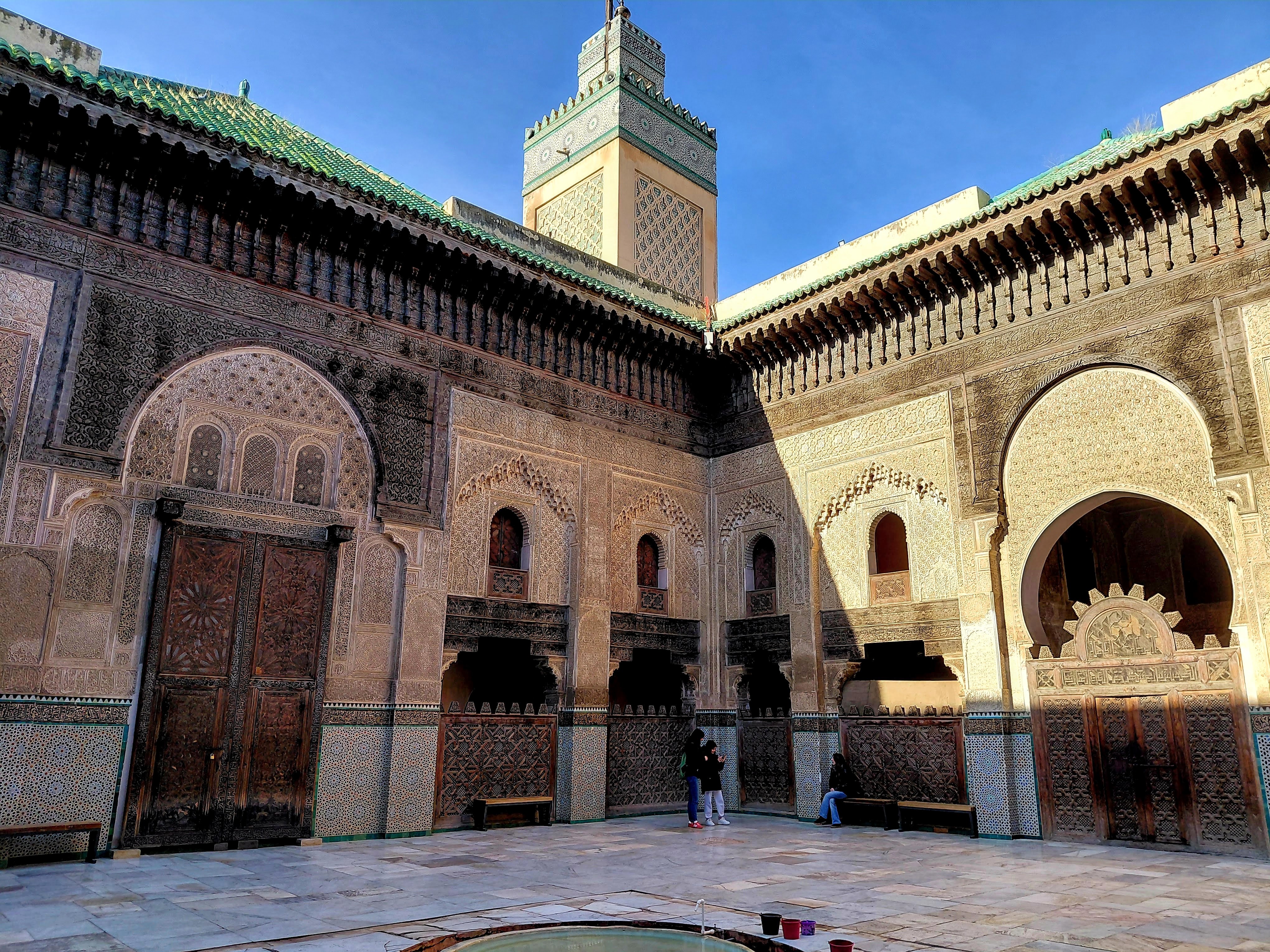
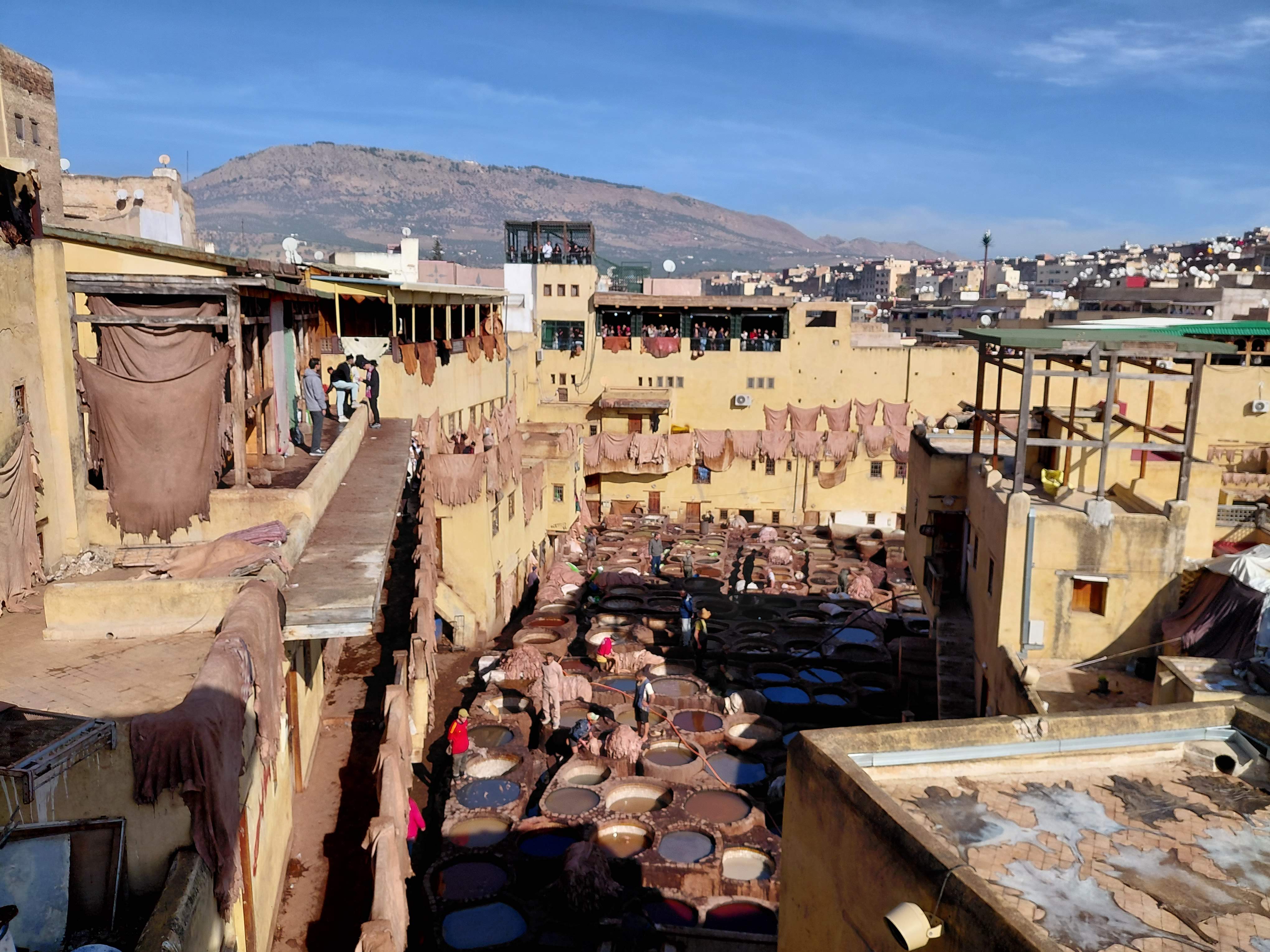
The main attractions are the Bou Inania Madrasa (a 14th-century school with extraordinary tilework), the Al Quaraouiyine Mosque (one of the oldest universities in the world, founded 859 AD), and the famous leather tanneries where hides are still dyed using centuries-old vegetable and mineral techniques. The tanneries are pungent and intense — the smell of fermentation is overwhelming, but the visual spectacle of the dye vats is extraordinary. Plan at least 3–4 hours wandering. Get a local guide; the medina is genuinely labyrinthine, and you will get lost without one.
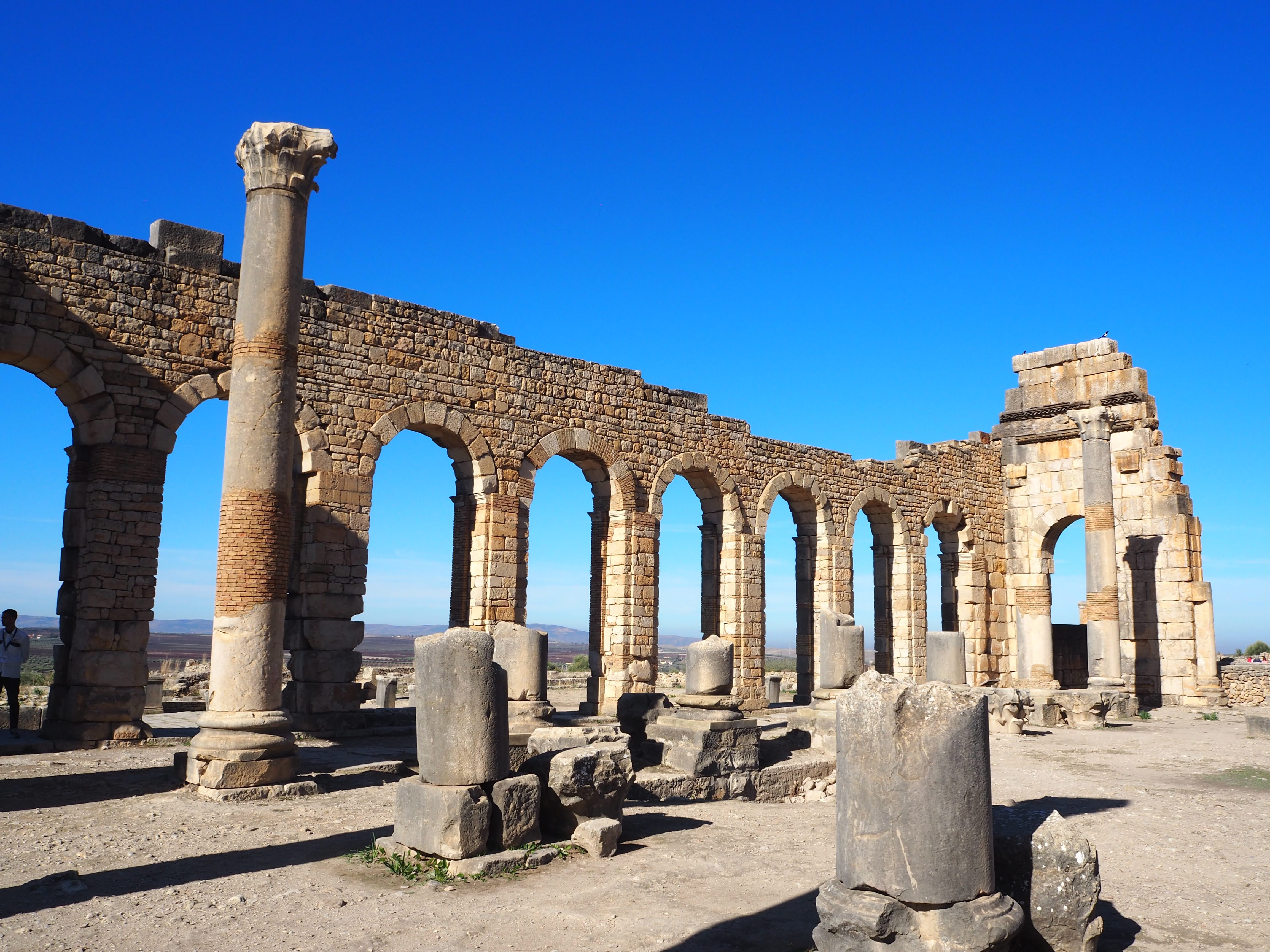
Volubilis is one of the most romantic archaeological sites in North Africa — a sprawling Roman settlement that flourished between the 1st and 3rd centuries AD. Perched on a hillside with sweeping views across Morocco's Zerhoun valley, the site contains the ruins of temples, homes, public baths, and a triumphal arch. Mosaics depicting daily Roman life remain embedded in floors throughout the site — intricate scenes of gods, mythological creatures, and ordinary people that survived 18 centuries.
What makes Volubilis compelling is not just the archaeology but the setting. You walk through ancient Roman streets beneath the open sky, reconstructing the lives of people who lived here nearly 2,000 years ago. The Arch of Caracalla dominates the main forum, and the House of Orpheus contains a famous mosaic of Orpheus charming animals with his lyre. Allow 1.5–2 hours to explore slowly, reading the site markers that identify each building. The site is large but not overwhelming — manageable in an afternoon visit.
Meknes was the royal capital of Morocco under Sultan Moulay Ismail (1672–1727), a powerful ruler who commanded one of the most feared armies in 17th-century North Africa. The city's medina reflects royal ambition — massive gates, wide avenues, imposing public buildings, and extensive palace complexes. Unlike Fez's organic labyrinth, Meknes feels more planned and palatial, though equally atmospheric with its souks, riads, and traditional architecture intact.
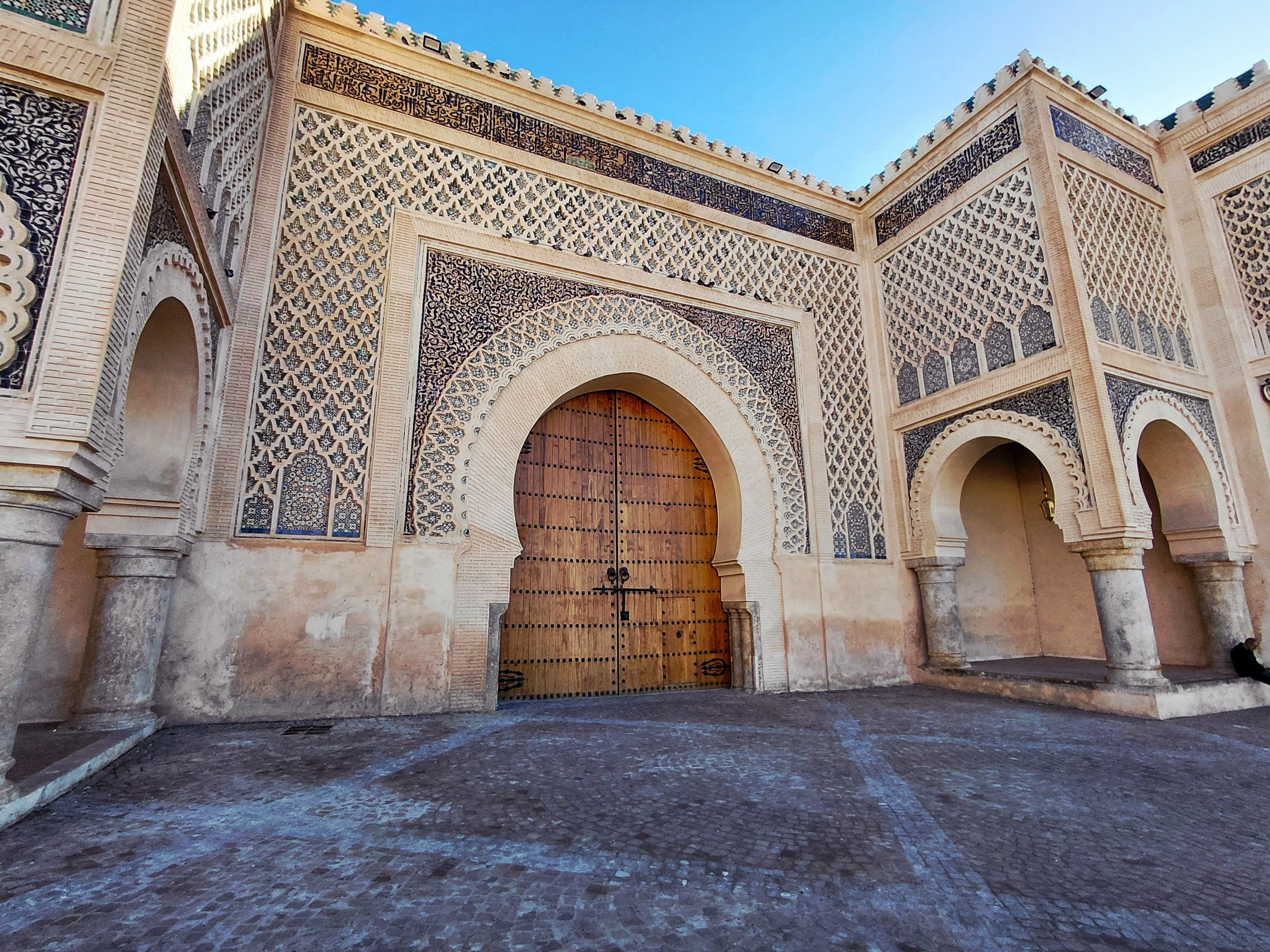
The Bab Mansour gate is iconic — a massive arched gateway clad in zellige tilework and calligraphy, built as a ceremonial entrance to the imperial city. The El Hedim square stretches before it, ringed by cafés and shops. The Moulay Ismail Mausoleum is a peaceful sanctuary of white marble and quiet courtyards. The medina's souks are less touristy than Fez — you'll find genuine local shopping rather than tourist trinkets. Plan 2–3 hours for Meknes, including time to sit at a café and absorb the atmosphere.
I booked a small-group car tour through GetYourGuide (link below). The operator picked me up at my riad in Fez at 8 AM, and we spent the entire day visiting all three sites before returning to Fez by 6 PM. The group was 5–6 people, and the driver spoke French and some English; a local guide joined us at each site.
| Leg | Time | Activity | Notes |
|---|---|---|---|
| Fez hotel → Fez Medina | 30 min | Medina walking tour | Led by local guide through souks and tanneries |
| Fez Medina → Volubilis | ~1 h drive | Drive + ruins visit | Main archaeological stop before heading toward Meknes |
| Volubilis ruins | 2 h | Self-guided exploration | Guide available for questions; excellent site signage |
| Volubilis → Palais Salma (Meknes) | ~40 min drive | Lunch stop | Terrace overlooking the city walls; excellent couscous |
| Palais Salma → Meknes medina | 10–15 min | Short transfer | Easy continuation after lunch |
| Meknes medina & gates | 2–2.5 h | Medina tour + free time | Visit Bab Mansour, El Hedim square, Moulay Ismail Mausoleum |
| Meknes → Fez | ~1 h drive | Return journey | Arrive back at hotel by 6–6:30 PM |
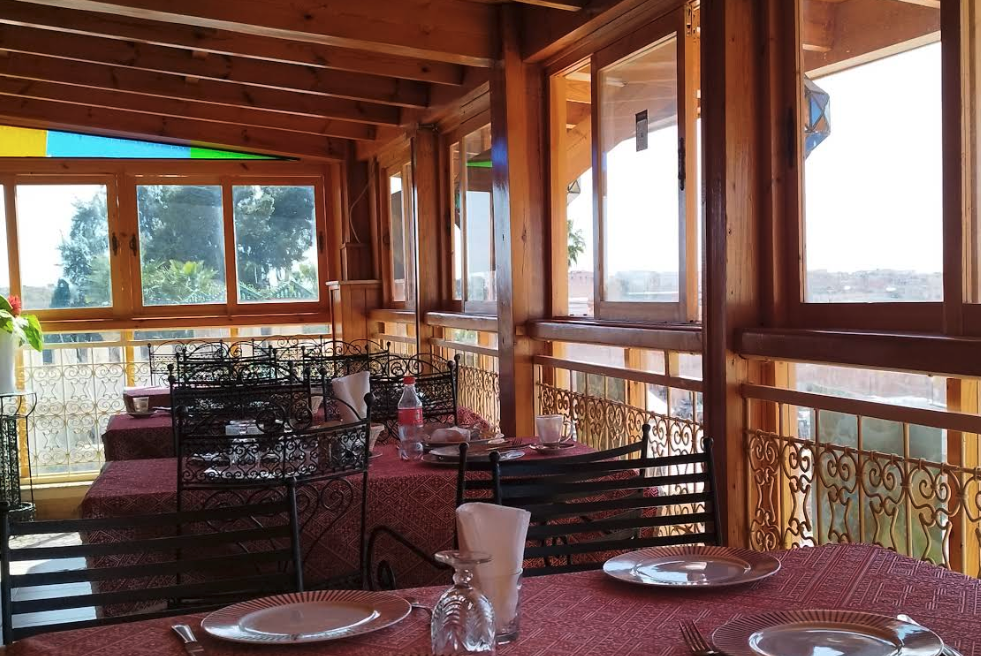
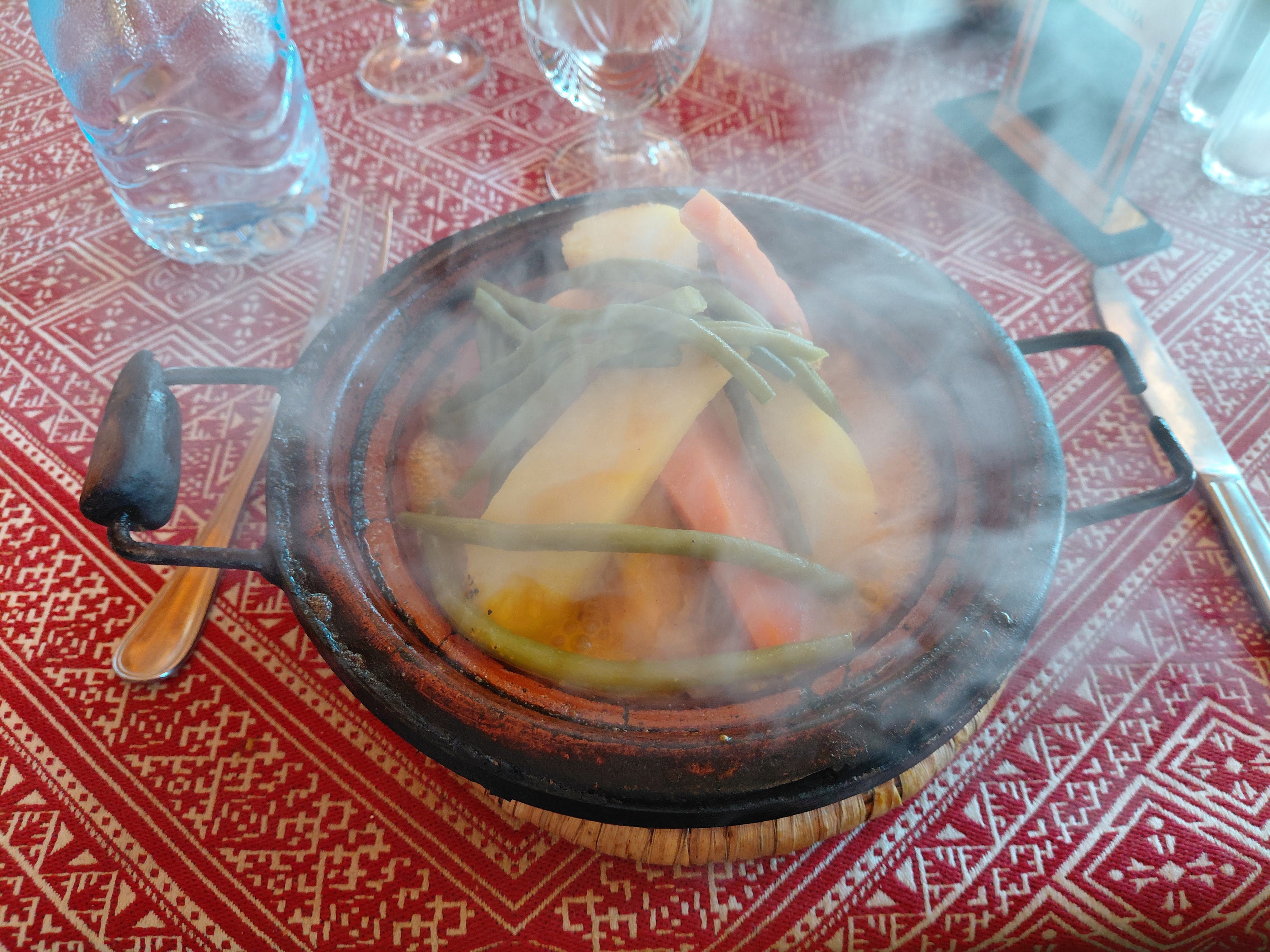
Between Volubilis and the Meknes visit, we stopped for lunch at Palais Salma, a terrace restaurant with a beautiful view over Meknes' walls. I had a Tagine there before the busier afternoon stop.
Total active time in the three cities: roughly 6.5–7 hours of walking and exploring, spread across a full 9–10 hour day including drives and lunch. The pace is relaxed rather than rushed, allowing genuine engagement with each site.
Roads connecting these three cities are reasonable by Moroccan standards — paved highways that are well-maintained in most sections. Moroccan drivers are famously spirited: expect enthusiastic horn use, close passing, and speeds that feel thrilling if you're not used to North African driving. As a passenger on a guided tour, you're insulated from this experience, and professional drivers are generally skilled despite their boldness. If renting a car independently, budget extra time and maintain calm — the journey is not dangerous, just notably livelier than European driving. Tour operators handle road logistics professionally.
Yes, and a guided tour is the best way. A full day (8 AM–6 PM) covers all three with reasonable time at each — 3–4 hours in Fez, 2 hours at Volubilis, and 2–3 hours in Meknes. Independent travel by car or taxi is possible but requires more logistical planning and the road navigation is challenging if unfamiliar.
GetYourGuide and similar platforms (Viator, Klook) offer reliable small-group tours from Fez that include hotel pickup, driver, guide, and site entries for €70–100 per person. Booking directly with local tour operators in Fez works too but requires more negotiation. Guided tours are worth the cost — navigating Fez independently is genuinely difficult without local knowledge.
Possible, but requires confidence with unfamiliar roads and driving norms. You'd need an international driving permit, valid passport, and a credit card. Petrol is inexpensive. The main challenge is navigating Fez medina (you'll need a local guide anyway once you park) and parking. Independent car rental works well for those comfortable with self-drive travel, but a tour takes the stress out.
Limited at Volubilis and Meknes; minimal in Fez medina. Guided tours include guides who speak English and French. Site signage exists but is mostly in Arabic and French. Download offline maps and consider a small pocket translation device if you're concerned about language barriers. GetYourGuide tours solve this — your guide handles all communication.
October–November and March–April offer ideal weather — cool mornings (15–20°C), warm afternoons (20–25°C), and low rainfall. Avoid July–August (40°C+, exhausting for walking). December–February is mild but can be rainy. Spring brings crowds; autumn is quieter. All three sites are outdoors with limited shade, so heat management matters.
Check current travel advisories with your government. As of April 2026, no special vaccinations are mandatory for these regions, though standard travel vaccines (hepatitis, typhoid) are recommended. Obtain comprehensive travel insurance that covers Morocco. Visitors from EU/US/Canada/Australia get 90 days visa-free entry.