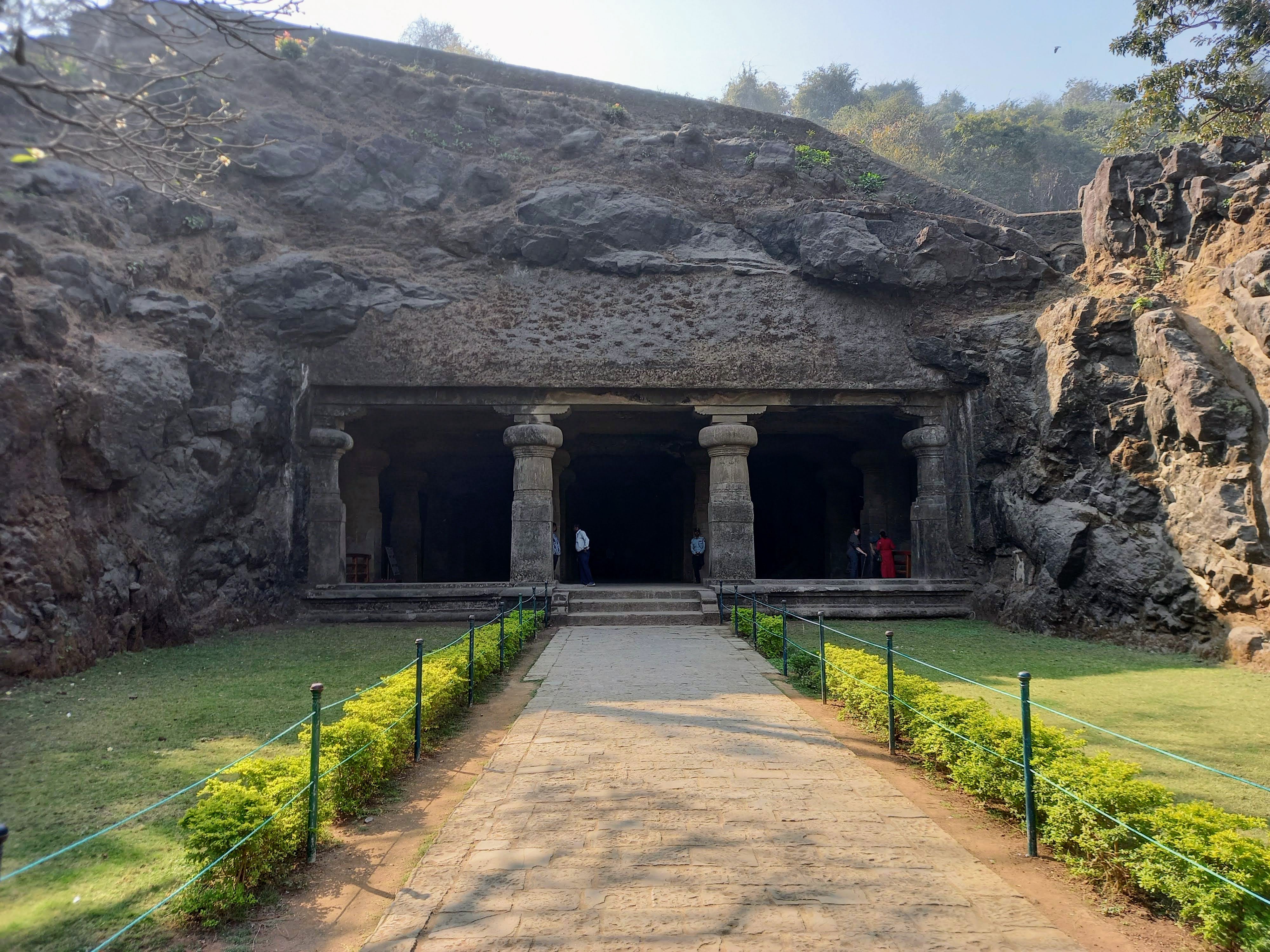
MUMBAI (3 WHS)
Colonial-era railway grandeur, Gothic-Art Deco urban fabric, and island rock-cut caves in one city-based UNESCO route
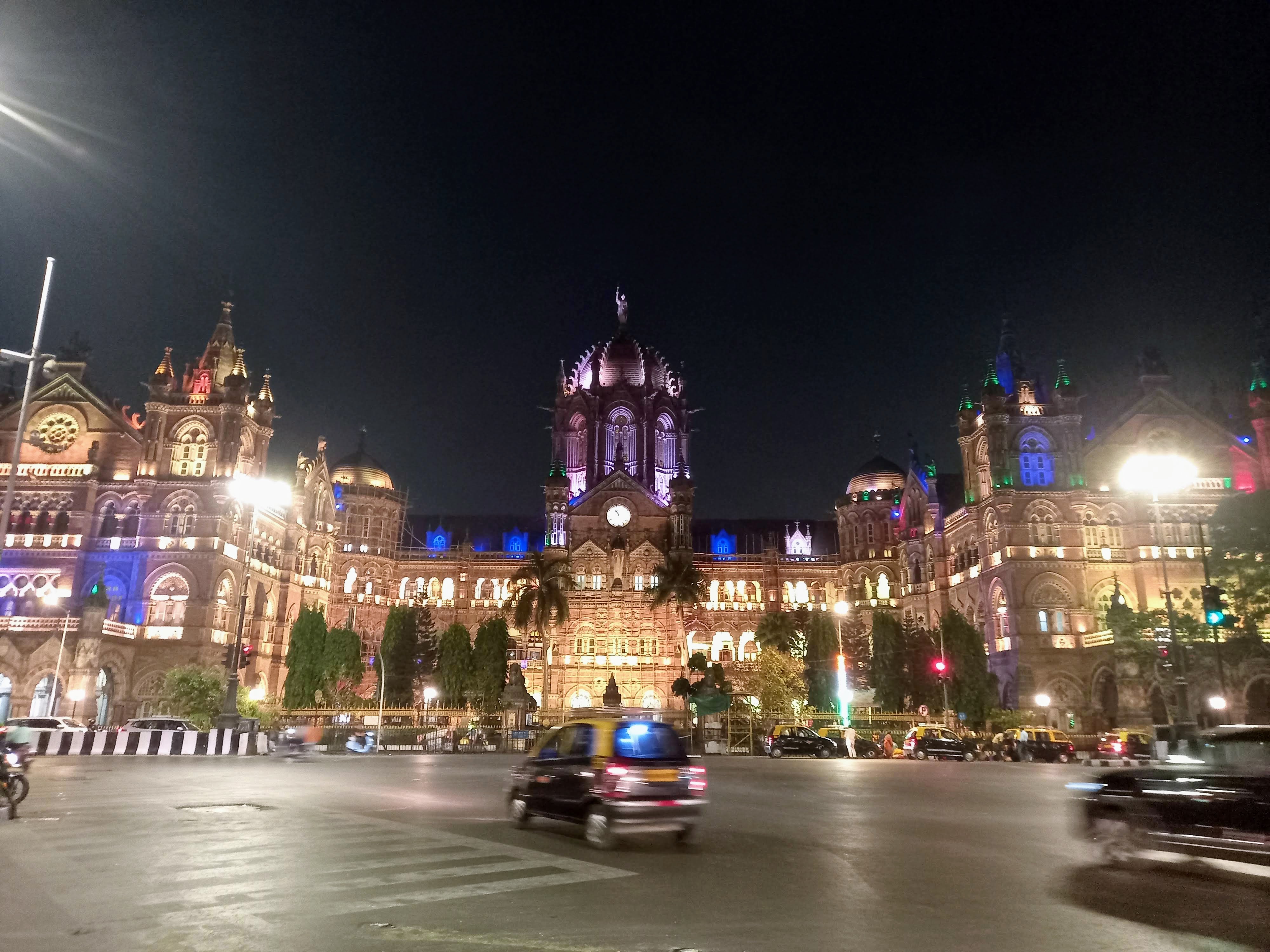
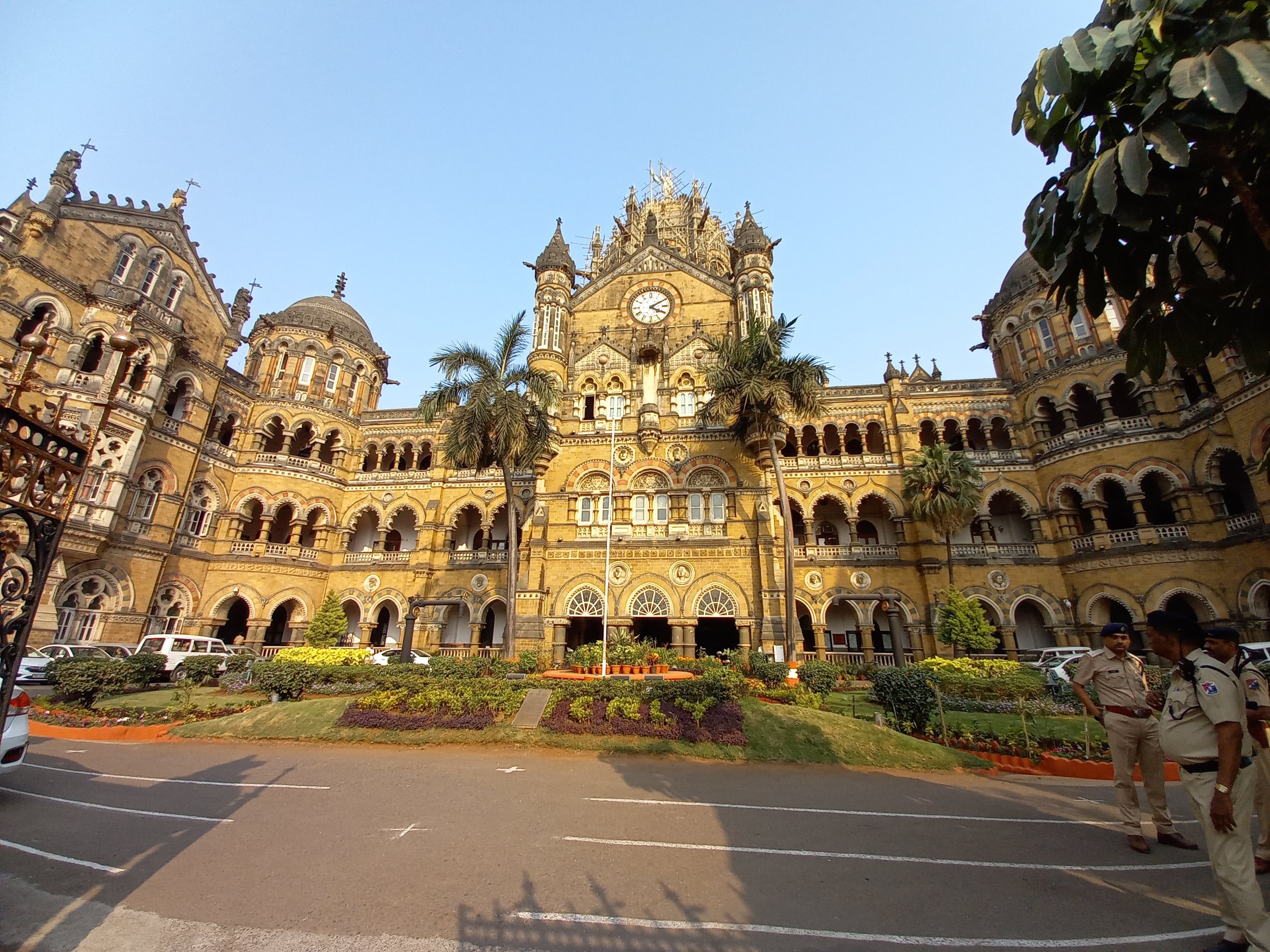
CST is one of the strongest examples of late 19th-century railway architecture in Asia. The station combines Victorian Italianate Gothic planning with Indian decorative motifs, creating a hybrid style that reflects Mumbai's colonial-era identity as both imperial port and Indian metropolis. In practical terms, this is not just a monument: it is still a living transport hub, so the architecture is best experienced while the station is in full daily motion.
The building's stonework, turrets, stained glass details, and sculptural program are exceptional, but the most interesting part is the cultural blend: European railway monumentalism adapted to local craft and climate. It captures the historical moment when Bombay was being redesigned as a global city.
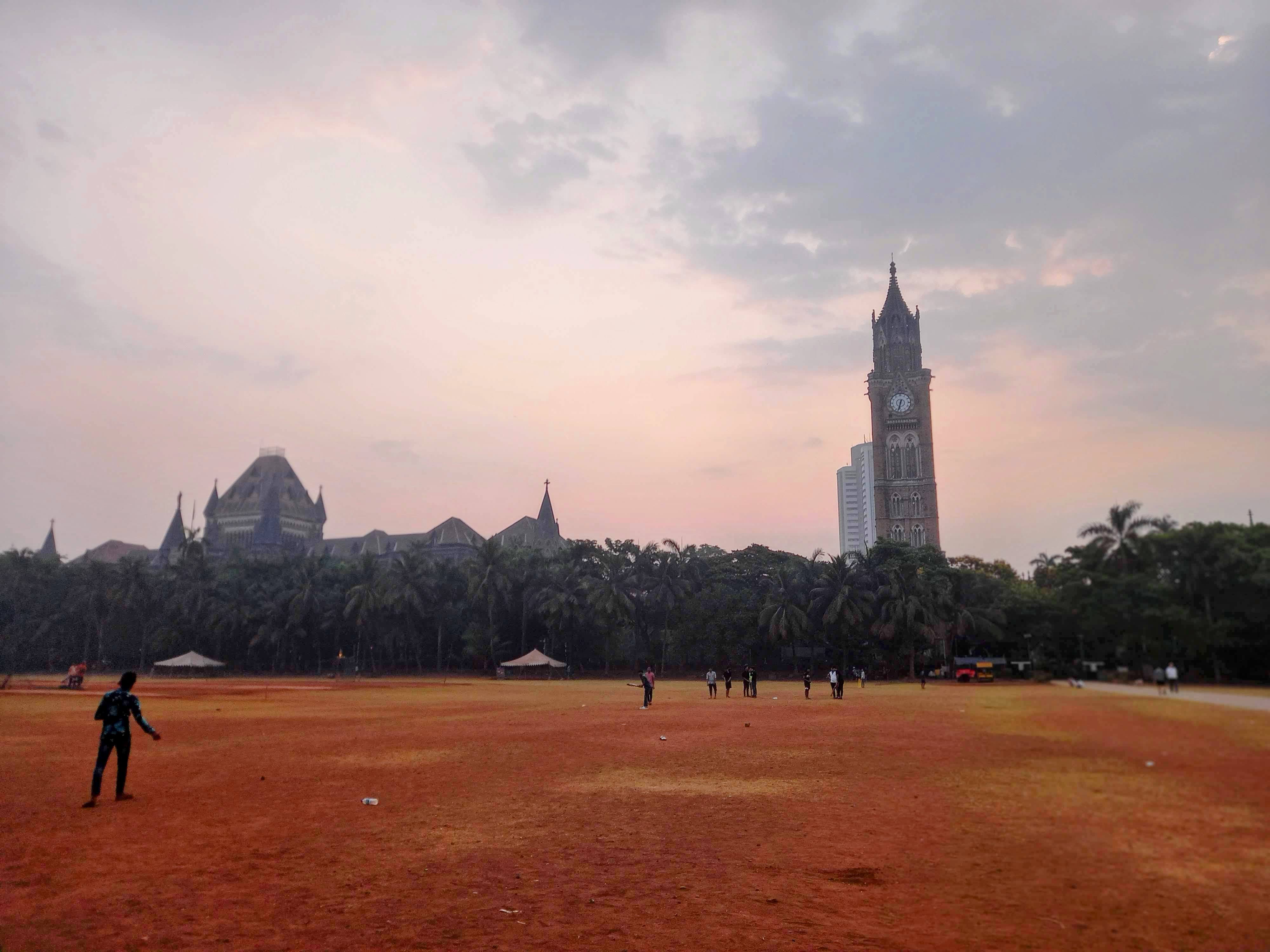
A short distance from CST, around Oval Maidan, Mumbai presents one of its most distinctive urban layers: a direct dialogue between 19th-century Victorian Gothic public architecture and early 20th-century Art Deco residential and institutional blocks. Rather than a single monument, this is an ensemble-based UNESCO listing where the value comes from the street-level relationship between styles.
The Gothic side brings verticality, pinnacles, and stone ornament; the Art Deco side introduces curved balconies, streamlined facades, and geometric rhythms. Together they document Mumbai's transition from imperial port city to modern cosmopolitan center. Walking the perimeter of Oval Maidan is the best way to read this contrast in sequence.
Elephanta Caves are on Elephanta Island in Mumbai Harbour and are reached by ferry from the Gateway of India. The cave complex is one of India's major rock-cut temple sites, especially known for Shaivite sculptures carved directly into basalt. The main cave's sculptural panels and monumental Trimurti composition are the central highlights.
From a city-logistics perspective, this is a very good day-trip extension: the ferry ride itself gives a maritime perspective of Mumbai, and the island visit contrasts strongly with the dense urban core of CST and Oval Maidan. If weather is stable and sea conditions are normal, this can be integrated cleanly after a South Mumbai morning.
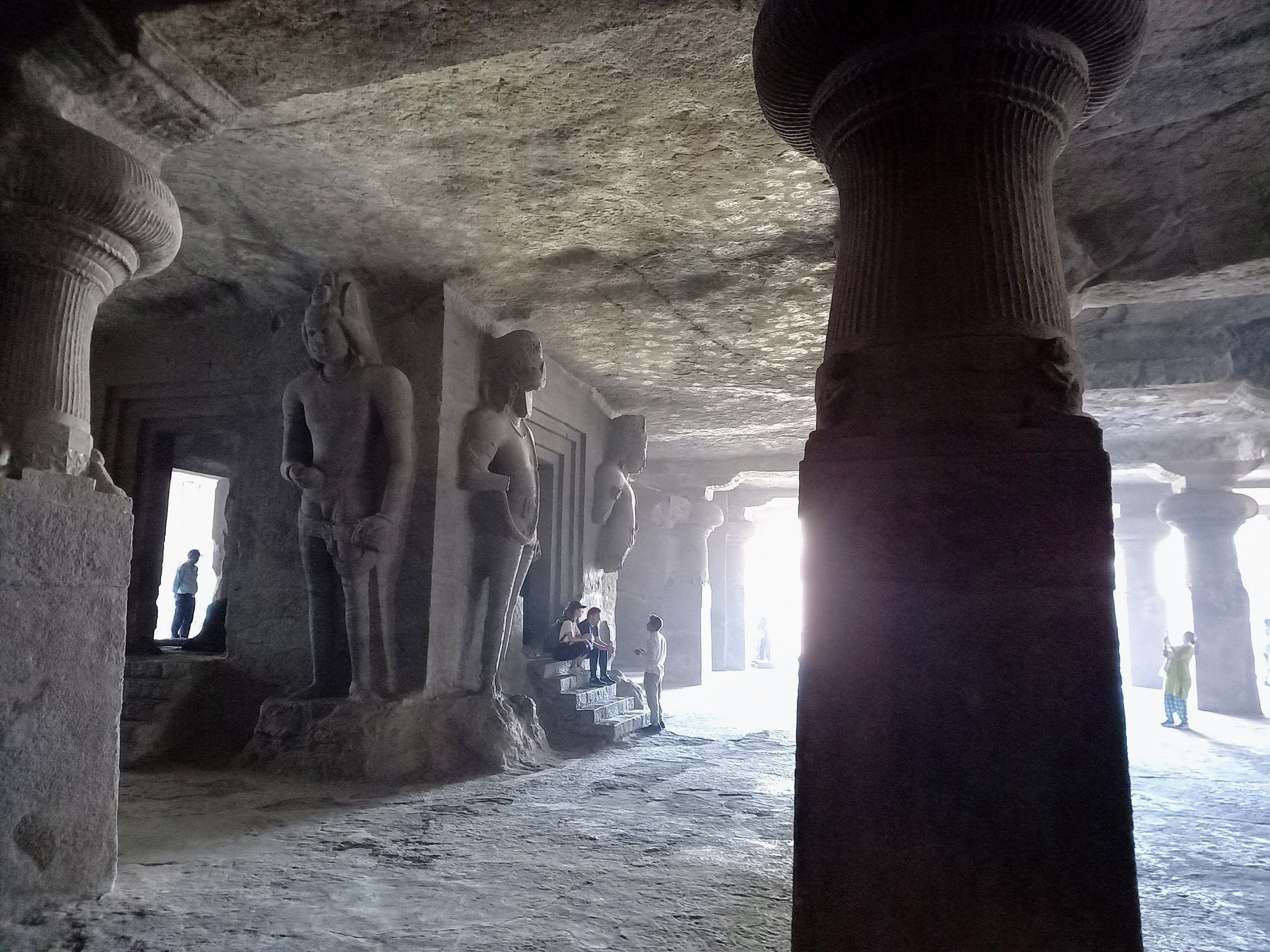
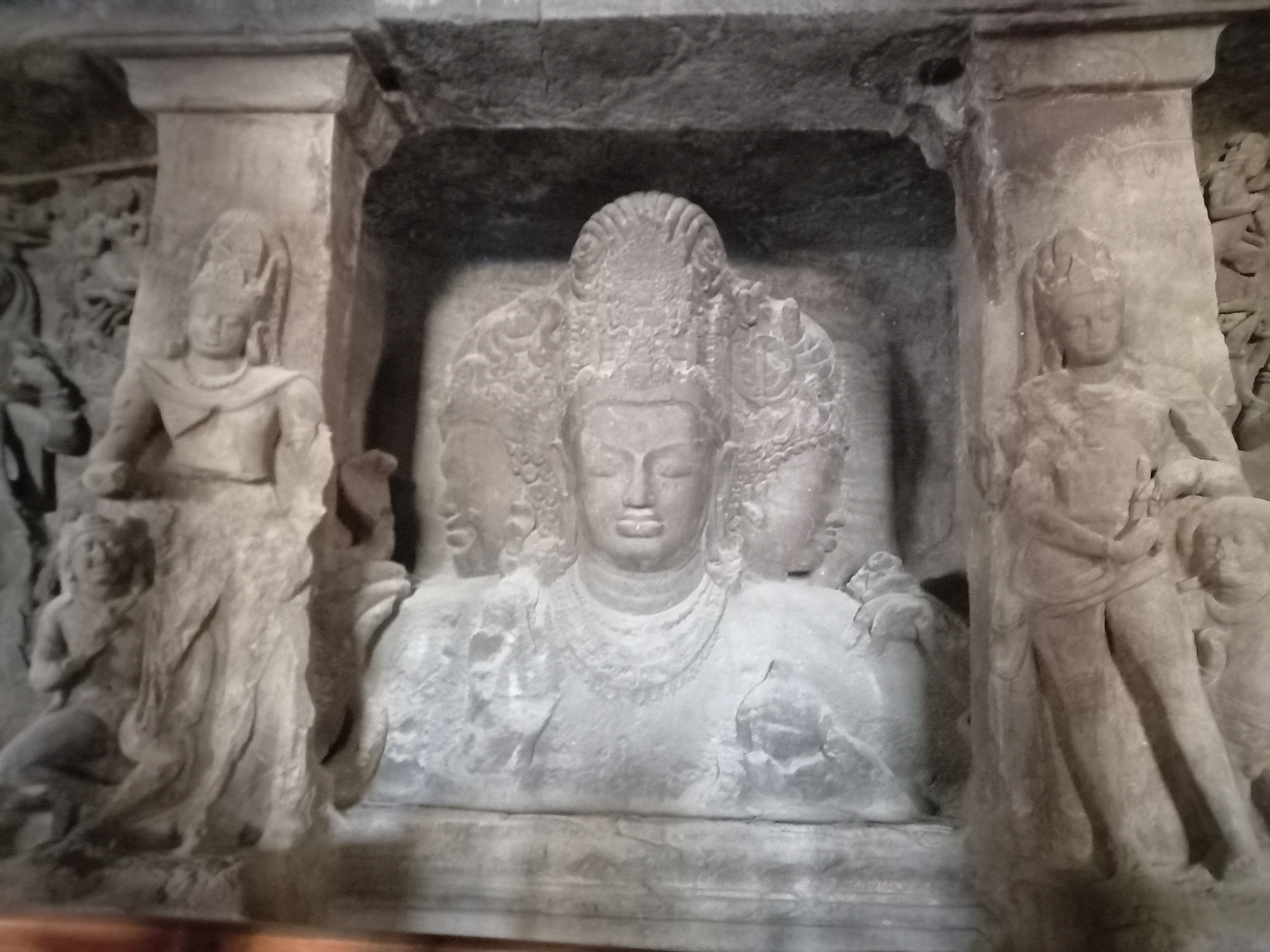
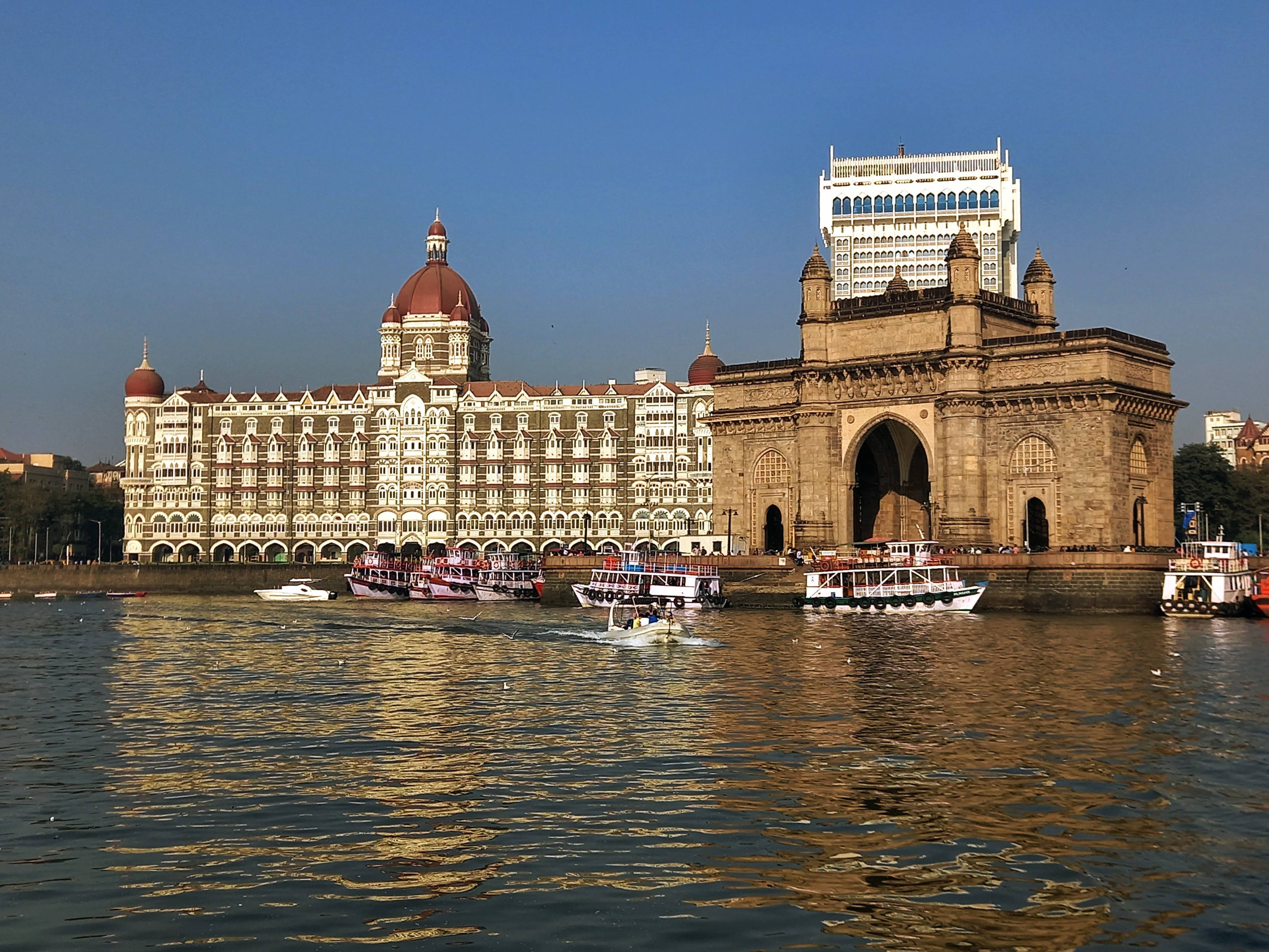
The ferry terminal is beside Gateway of India in South Mumbai. Sailing time to Elephanta is usually around one hour each way, and schedules can vary by season and sea conditions. Expect queues on weekends and holidays.
| Step | Segment | Transport | Practical note |
|---|---|---|---|
| 1 | CST (945) | Local rail/taxi + walking | Start early to see architecture before peak station rush. |
| 2 | Oval Maidan ensembles (1480) | Short taxi ride or walk depending on heat/time | Walk the perimeter to compare Gothic and Art Deco facades. |
| 3 | Gateway of India | Taxi/walk from South Mumbai core | Buy ferry tickets and check return timing immediately. |
| 4 | Elephanta Caves (244) | Ferry (~1 hour each way) | Allow buffer for queueing, boarding, and weather delays. |
It is possible with an early start and efficient transfers, but it can feel tight because Elephanta depends on ferry timing. Many travelers prefer one full day plus a flexible half-day buffer.
Chhatrapati Shivaji Terminus and the Oval Maidan architectural ensembles are both in South Mumbai and are straightforward to combine in the same urban circuit.
From Gateway of India in South Mumbai. The crossing is typically around one hour each way, with frequency varying by season and demand.