Nara (2WHS)
Two separate UNESCO entries in one day: Horyu-ji first, Ancient Nara after lunch
Nara confuses a lot of people because it does not just have one UNESCO site. It has two different World Heritage entries: the Buddhist Monuments in the Horyu-ji Area and the Historic Monuments of Ancient Nara. They are geographically separate and they feel completely different. That contrast is exactly what makes the day worthwhile.
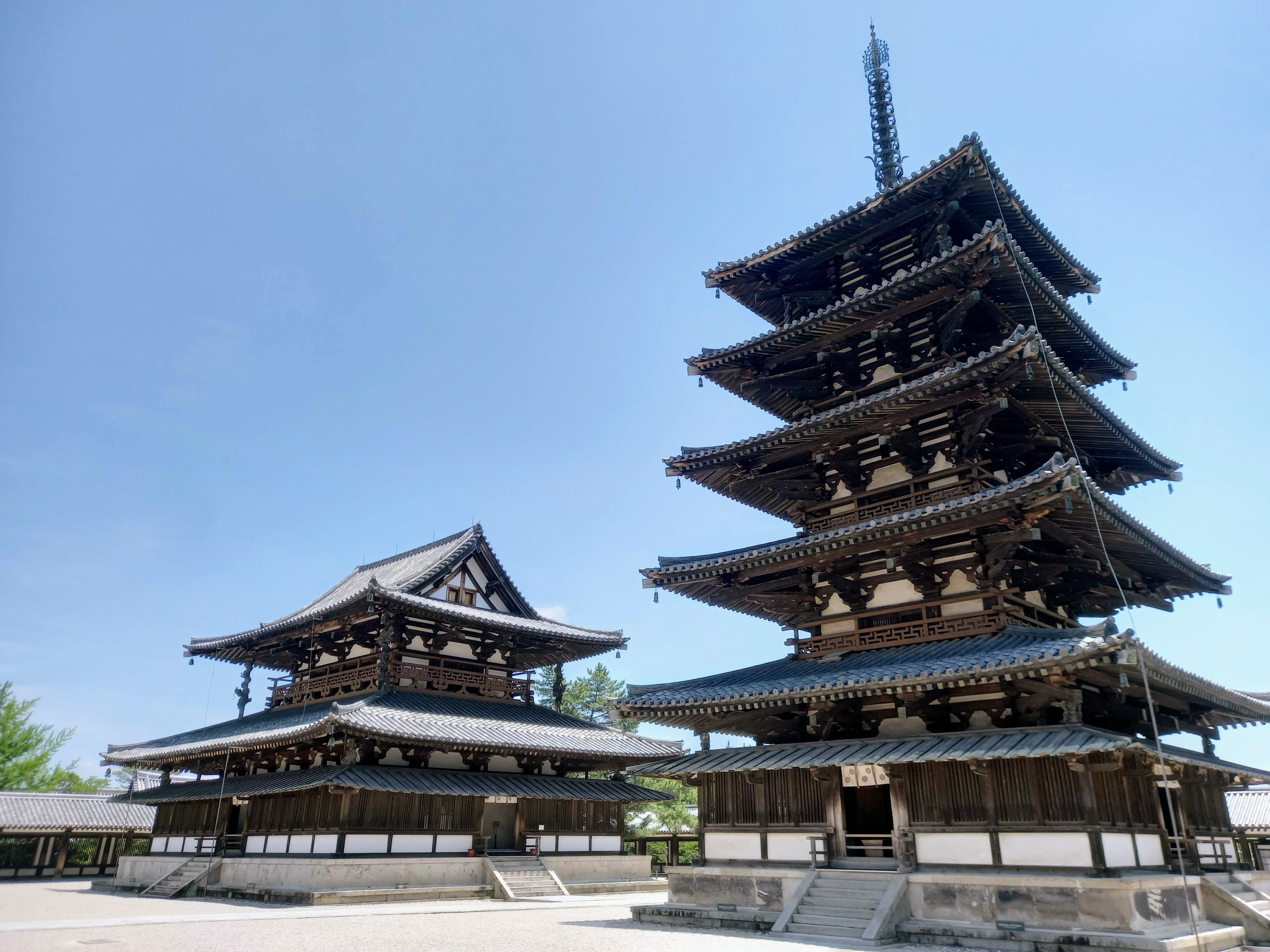
This first entry is one of the most important places in early Japanese religious architecture. UNESCO describes the Horyu-ji area as containing some of the oldest surviving wooden buildings in the world, with structures dating from the late 7th and early 8th centuries. These monuments matter not only because they are beautiful, but because they record the moment when Buddhism entered Japan from China by way of the Korean peninsula and then began developing a distinctly Japanese architectural language.
The star is Horyu-ji, and deservedly so. The precinct is calm, spacious and, compared with central Nara, surprisingly empty. The pagoda and the main hall have that rare sensation of being foundational rather than merely old: this is architecture at the beginning of a tradition. UNESCO highlights the post-and-lintel wooden construction, the tiled roofs, the bracket systems and the way Chinese Buddhist forms were adapted to Japan. In person, what stands out is the stillness. There are very few visitors, so you can actually hear the space rather than just look at it.
The same World Heritage property also includes Hokki-ji, a smaller temple roughly half an hour away on foot. It is much less famous, which is precisely why it is worth doing. After the historical density of Horyu-ji, Hokki-ji feels almost rural and contemplative. Together, the two sites explain why this is not just one temple but a wider heritage landscape of early Japanese Buddhism.
The second UNESCO entry is broader and more urban in meaning. Ancient Nara was Japan's capital from 710 to 784, and UNESCO frames this property as a vivid picture of the political, religious and cultural world of the 8th century. Instead of one temple complex, this inscription includes a whole constellation of monuments: Buddhist temples, a Shinto shrine, the palace site and the sacred forest that shaped the city.
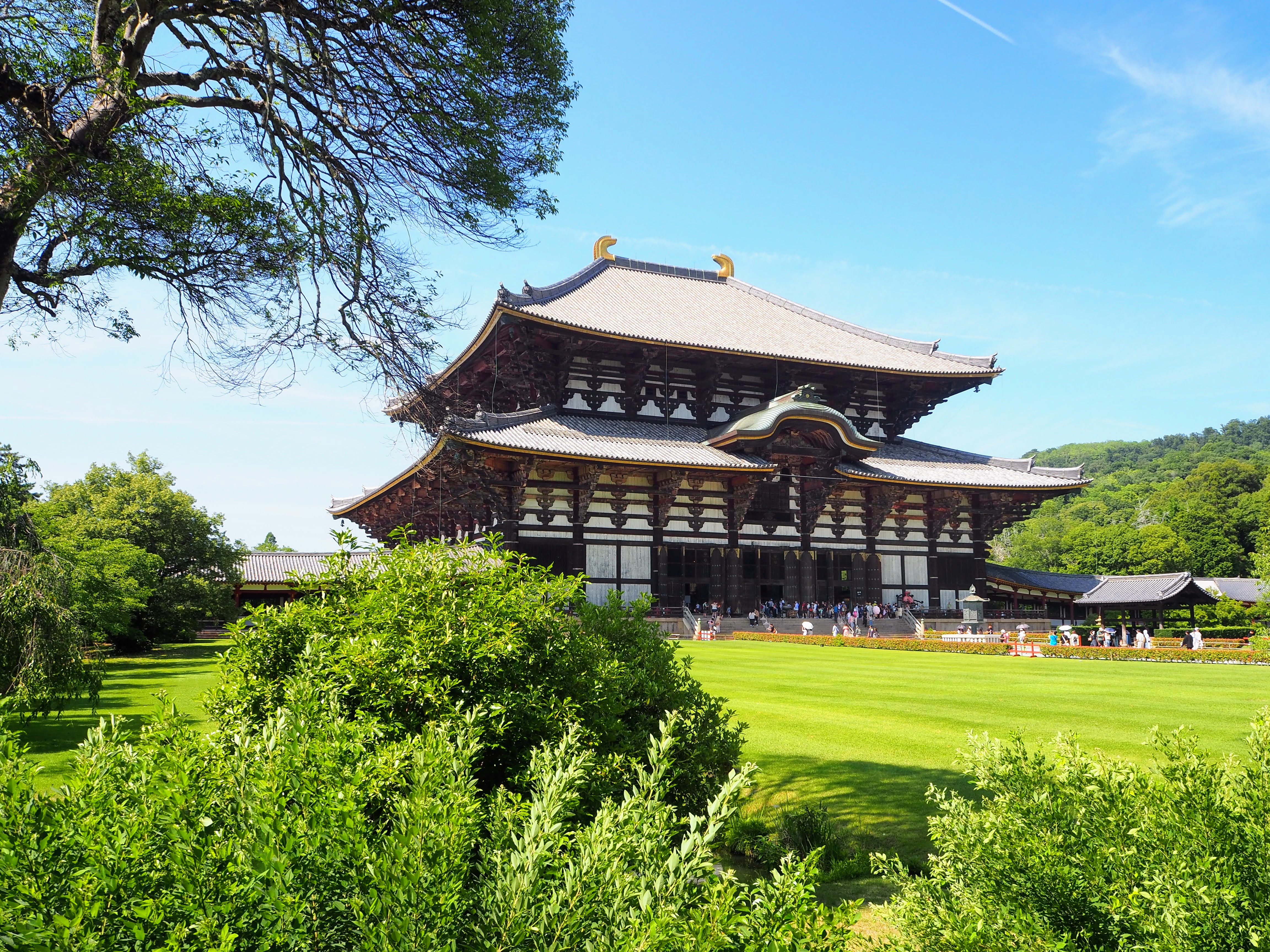
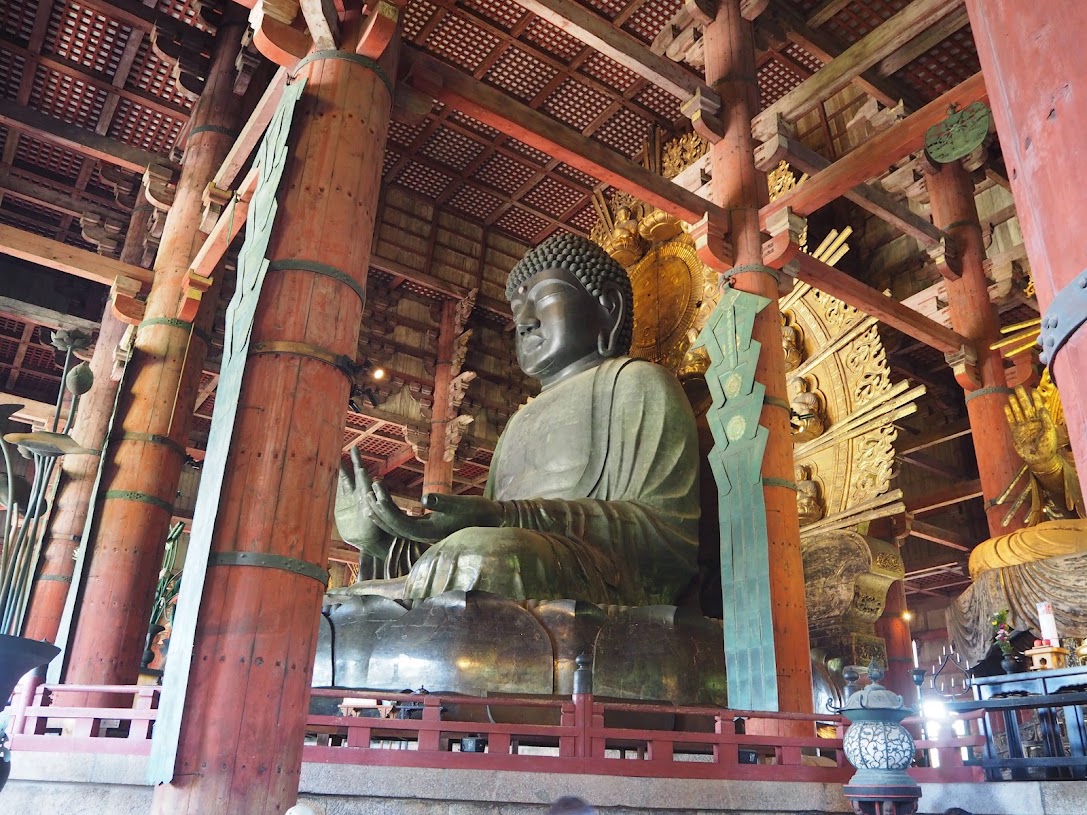
For a short visit, the most obvious focus is Todai-ji. It is the emotional opposite of Horyu-ji. Where Horyu-ji is quiet and almost austere, Todai-ji is monumental, crowded and instantly legible as one of Japan's great national temples. The Daibutsuden is presented by local tourism materials as the largest wooden structure in Japan and widely discussed as one of the largest wooden temple halls anywhere, and inside sits the huge Great Buddha. Even if you know the photographs, the scale is still hard to process in person.
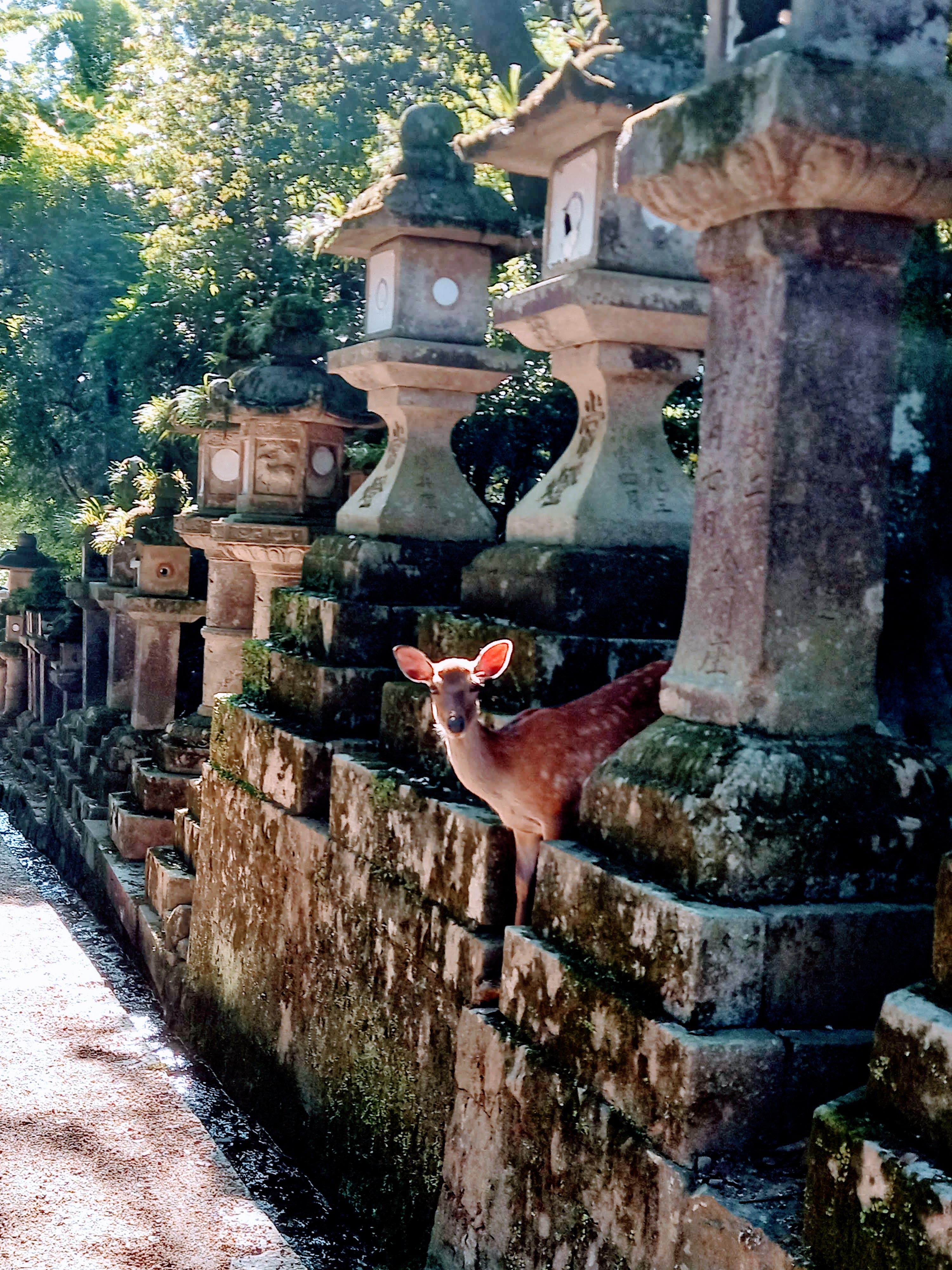
This part of Nara is also famous for something less monumental but equally memorable: the deer. They wander freely through the parks and streets around the main temple area and are so integrated into the place that they become part of the experience of Ancient Nara rather than a side curiosity. This UNESCO entry is much busier than Horyu-ji, but that popularity makes sense. It feels like walking into the historic core of Japanese state formation.
| Leg | Mode | Time | Notes |
|---|---|---|---|
| JR Namba → Horyuji Station | JR Kansai / Yamatoji line | ~35–45 min | ICOCA or SUICA accepted; top up with cash |
| Horyuji Station → Horyu-ji | Walk or local bus | 20 min walk / shorter by bus | Bus stops in front of the monument |
| Horyu-ji → Hokki-ji | Walk | ~30 min | Quiet rural-feeling connection between sites |
| Lunch near Horyu-ji | On foot | Flexible | Matumotoya was inexpensive and full of locals |
| Horyu-ji area → Horyuji Station | Walk / local bus | 20 min walk | Return to station before the Nara leg |
| Horyuji Station → Nara Station | JR Kansai / Yamatoji line | ~20 min | This is how we connected the two UNESCO entries |
| Nara Station → Todai-ji area | Walk / local bus | ~30 min walk | More people here than at Horyu-ji |
The important correction for anyone trying to copy this route is the transfer between the two World Heritage entries: after visiting Horyu-ji and the Horyu-ji area, we returned to Horyuji Station and then took the Kansai line onward to Nara Station. That is the cleanest way to connect the older wooden monuments with the Ancient Nara cluster in one day.
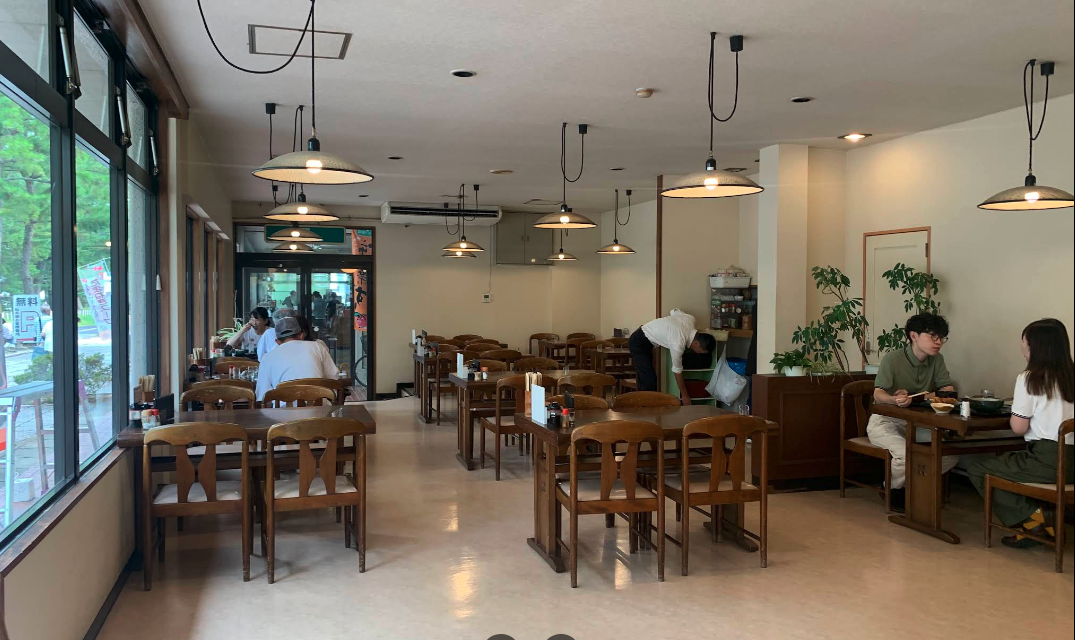
We ate at Matumotoya, a very quiet restaurant outside Horyu-ji with almost no tourists around us, only locals. It felt like the right kind of lunch stop for this part of the day: inexpensive, unshowy and practical, without burning time in the middle of a transport connection.
Yes, but only if you treat it as a transport day as much as a sightseeing day. Start from Osaka early, do Horyu-ji first, keep Hokki-ji short but deliberate, return to Horyuji Station, then continue by JR to Nara Station and finish with Todai-ji and the surrounding Ancient Nara area.
Because they represent two different heritage ideas. The Horyu-ji Area entry focuses on very early Buddhist wooden monuments and the transmission of Buddhist architecture into Japan. Ancient Nara is a wider urban and political landscape covering the old capital and several major religious and archaeological sites.
Not strictly. You can walk in about 20 minutes, which is perfectly manageable. But the local bus is useful if you want to conserve energy for the second half of the day, and it stops right in front of the monument area.
For UNESCO #660, it is clearly Horyu-ji itself and the sensation of standing in front of some of the oldest surviving wooden buildings on Earth. For UNESCO #870, it is Todai-ji and the Great Buddha, plus the atmosphere created by the open parkland and the deer moving through the city.
Yes. SUICA works fine in the Kansai region for regular local transport in this route, just like ICOCA. The practical warning is not compatibility but top-up method: keep cash ready because recharge machines are often cash-based.
For the exact route described here, Osaka works very well because the JR Namba to Horyuji leg is simple and sets up the day efficiently. Kyoto also works for Nara in general, but if your goal is specifically to combine Horyu-ji first and Ancient Nara second, this Osaka-based sequence is coherent and easy to repeat.