Alhambra, Generalife and Albayzín, Granada (UNESCO 314)
Cultural World Heritage in Spain, inscribed in 1984
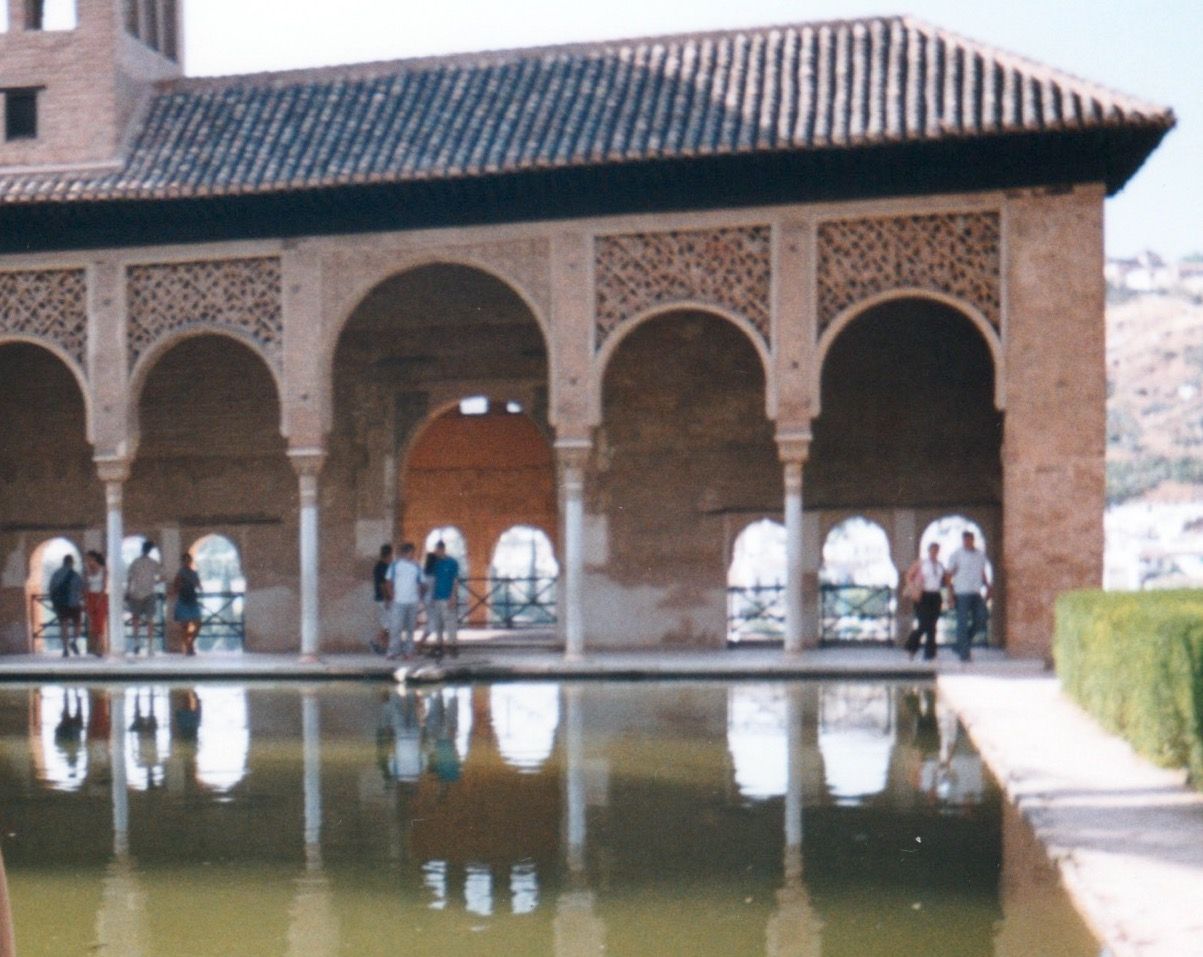
The property of the Alhambra, Generalife and Albayzín, Granada, stands on two adjacent hills, separated by the river Darro. Rising above the modern lower town, the Alhambra and the Albayzín form the medieval part of the City of Granada, which preserves remains of the ancient Arabic quarter. These components represent two complementary realities and examples of medieval urban complexes: the residential district of the Albayzín and the palatine city of the Alhambra. To the east of the Alhambra fortress and residence are the gardens of the Generalife, an example of a rural residence of the emirs, built during the 13th and 14th centuries.
The Alhambra, with its continuous occupation over time, is currently the only preserved palatine city of the Islamic period. It constitutes the best example of Nasrid art in its architecture and decorative aspects. The Generalife Garden and its vegetable farms represent one of the few medieval areas of agricultural productivity. These palaces were made possible by the existing irrigation engineering in Al-Ándalus, well established in the Alhambra and Generalife with technological elements known and studied by archaeologists.
This constituted a real urban system integrating architecture and landscape, and extending its influence in the surrounding area with gardens and unique hydraulic infrastructures. The residential district of the Albayzín, which constitutes the origin of the City of Granada, is a rich legacy of Moorish town planning and architecture in which Nasrid buildings and constructions of Christian tradition coexist harmoniously. Much of its significance lies in the medieval town plan with its narrow streets and small squares and in the relatively modest houses in Moorish and Andalusian style that line them. There are, however, some more imposing reminders of its past prosperity.
It is nowadays one of the best illustrations of Moorish town planning, enriched with the Christian contributions of the Spanish Renaissance and Baroque period to the Islamic design of the streets.