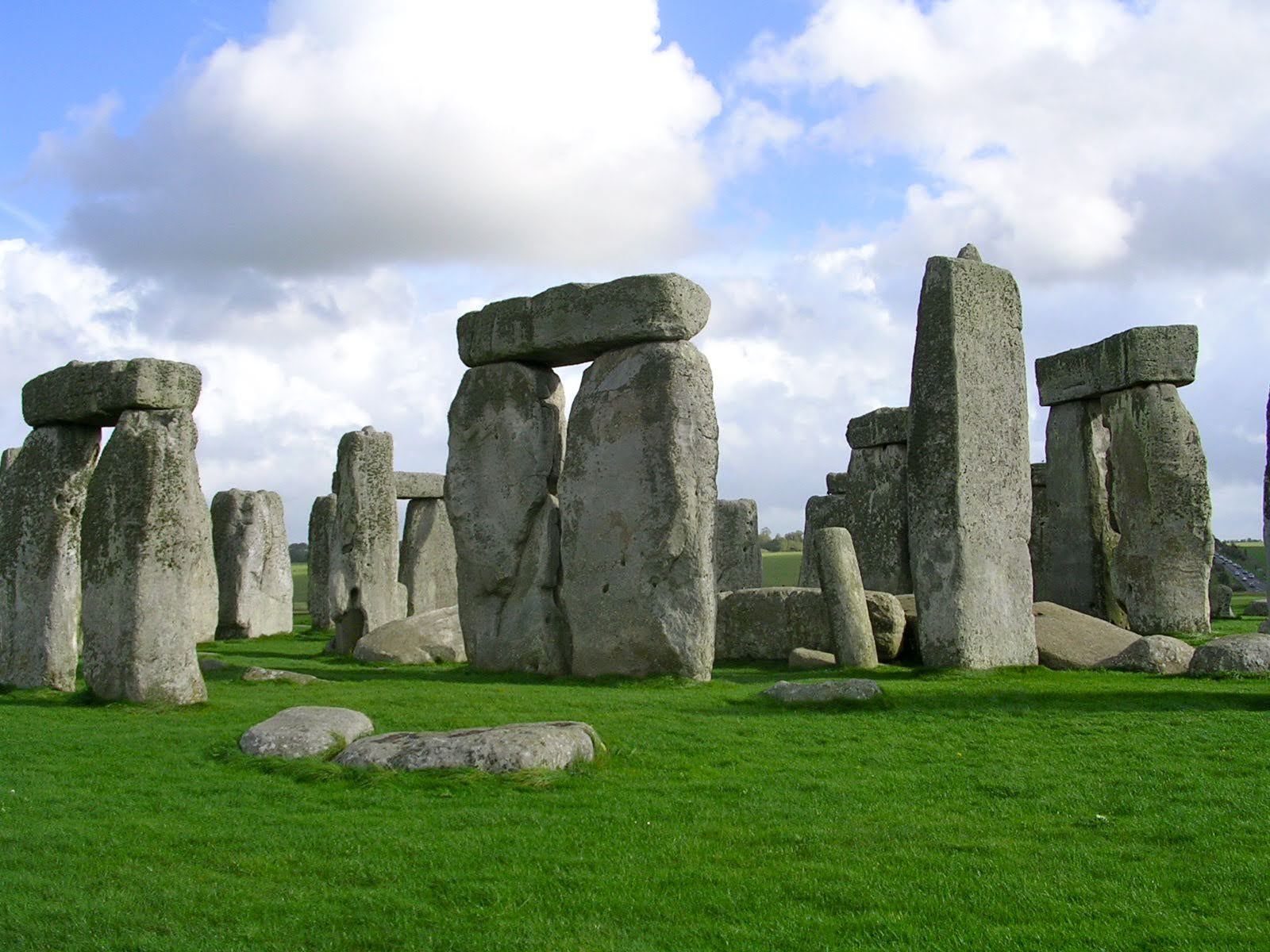
Stonehenge, Avebury and Associated Sites (UNESCO 373)
Cultural World Heritage in United Kingdom of Great Britain and Northern Ireland, inscribed in 1986
The World Heritage property Stonehenge, Avebury and Associated Sites is internationally important for its complexes of outstanding prehistoric monuments. Stonehenge is the most architecturally sophisticated prehistoric stone circle in the world, while Avebury is the largest. Together with inter-related monuments, and their associated landscapes, they demonstrate Neolithic and Bronze Age ceremonial and mortuary practices resulting from around 2000 years of continuous use and monument building between circa 3700 and 1600 BC. As such they represent a unique embodiment of our collective heritage.
The World Heritage property comprises two areas of Chalkland in southern Britain within which complexes of Neolithic and Bronze Age ceremonial and funerary monuments and associated sites were built. Each area contains a focal stone circle and henge and many other major monuments. At Stonehenge these include the Avenue, the Cursuses, Durrington Walls, Woodhenge, and the densest concentration of burial mounds in Britain. At Avebury they include Windmill Hill, the West Kennet Long Barrow, the Sanctuary, Silbury Hill, the West Kennet and Beckhampton Avenues, the West Kennet Palisaded Enclosures, and important barrows.
Stonehenge is one of the most impressive prehistoric megalithic monuments in the world on account of the sheer size of its megaliths, the sophistication of its concentric plan and architectural design, the shaping of the stones - uniquely using both Wiltshire Sarsen sandstone and Pembroke Bluestone - and the precision with which it was built. At Avebury, the massive Henge, containing the largest prehistoric stone circle in the world, and Silbury Hill, the largest prehistoric mound in Europe, demonstrate the outstanding engineering skills which were used to create masterpieces of earthen and megalithic architecture. There is an exceptional survival of prehistoric monuments and sites within the World Heritage property including settlements, burial grounds, and large constructions of earth and stone. Today, together with their settings, they form landscapes without parallel.
These complexes would have been of major significance to those who created them, as is apparent by the huge investment of time and effort they represent. They provide an insight into the mortuary and ceremonial practices of the period, and are evidence of prehistoric technology, architecture and astronomy. The careful siting of monuments in relation to the landscape helps us to further understand the Neolithic and Bronze Age.