Maritime Greenwich (UNESCO 795)
Cultural World Heritage in United Kingdom of Great Britain and Northern Ireland, inscribed in 1997
Symmetrically arranged alongside the River Thames, the ensemble of the 17th century Queen’s House, part of the last Royal Palace at Greenwich, the palatial Baroque complex of the Royal Hospital for Seamen, and the Royal Observatory founded in 1675 and surrounded by the Royal Park laid out in the 1660s by André Le Nôtre, reflects two centuries of Royal patronage and represents a high point of the work of the architects Inigo Jones (1573-1652) and Christopher Wren (1632-1723), and more widely European architecture at an important stage in its evolution. It also symbolises English artistic and scientific endeavour in the 17th and 18th centuries. Greenwich town, which grew up at the gates of the Royal Palace, provides, with its villas and formal stuccoed terraces set around St Alphege’s church rebuilt to Hawksmoor’s designs in 1712-14, a setting and approach for the main ensemble. Inigo Jones’ Queen’s House was the first Palladian building in Britain, and also the direct inspiration for classical houses and villas all over the country in the two centuries after it was built.
The Royal Hospital, laid out to a master plan developed by Christopher Wren in the late 17th century and built over many decades by him and other leading architects, including Nicholas Hawksmoor, is among the most outstanding group of Baroque buildings in England. The Royal Park is a masterpiece of the application of symmetrical landscape design to irregular terrain by André Le Nôtre. It is well loved and used by residents as well as visitors to the Observatory, Old Royal Naval College and the Maritime Museum. The Royal Observatory’s astronomical work, particularly of the scientist Robert Hooke, and John Flamsteed, the first Astronomer Royal, permitted the accurate measurement of the earth’s movement and also contributed to the development of global navigation.
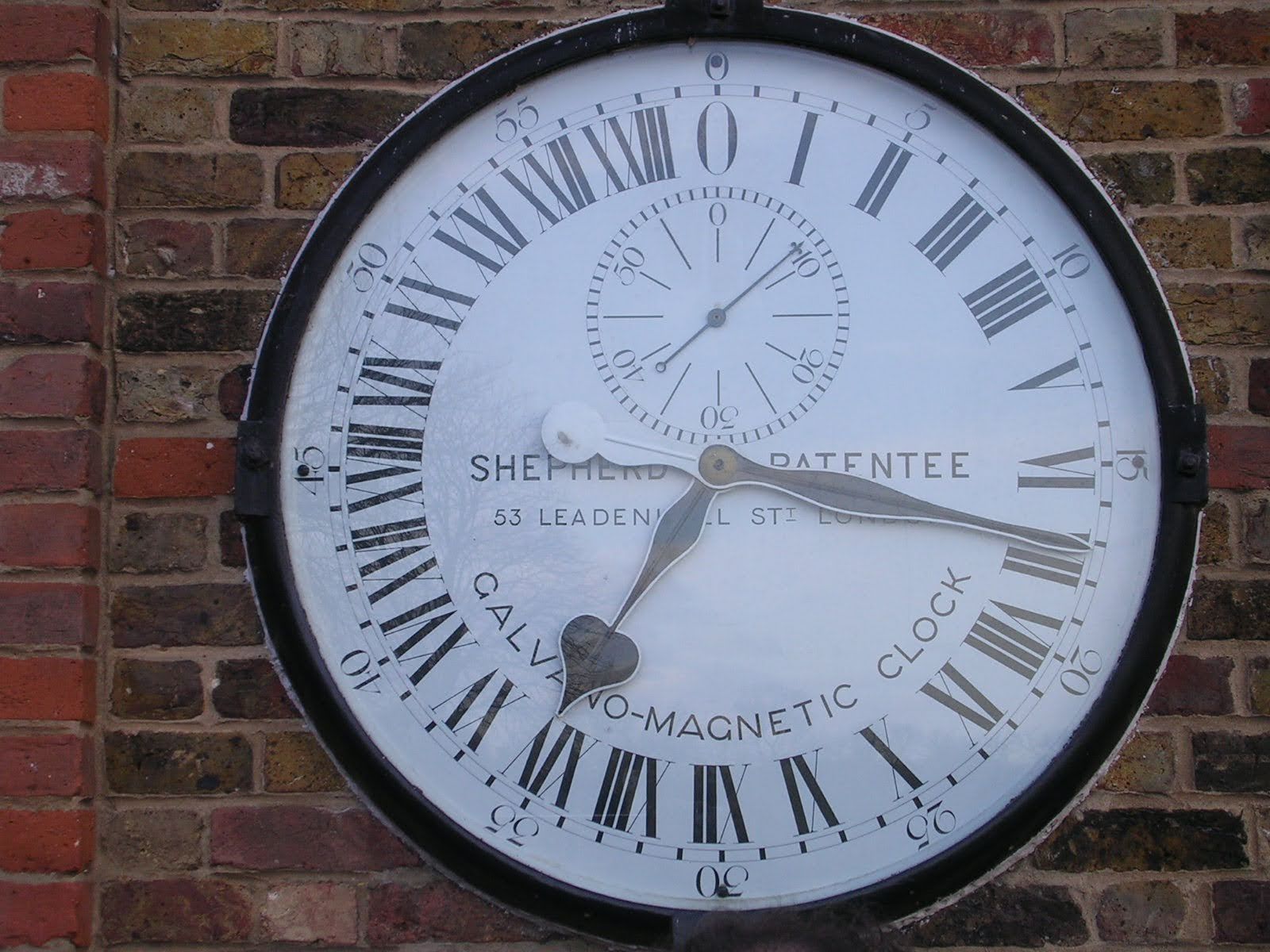
The Observatory is now the base-line for the world’s time zone system and for the measurement of longitude around the globe.
The Committee decided to inscribe this property on the basis of cultural criteria (i), (ii), (iv) and (vi), considering that the public and private buildings and the Royal Park at Greenwich form an exceptional ensemble that bears witness to human artistic and scientific endeavour of the highest quality, to European architecture at an important stage of its evolution, and to the creation of a landscape that integrates nature and culture in a harmonious whole.