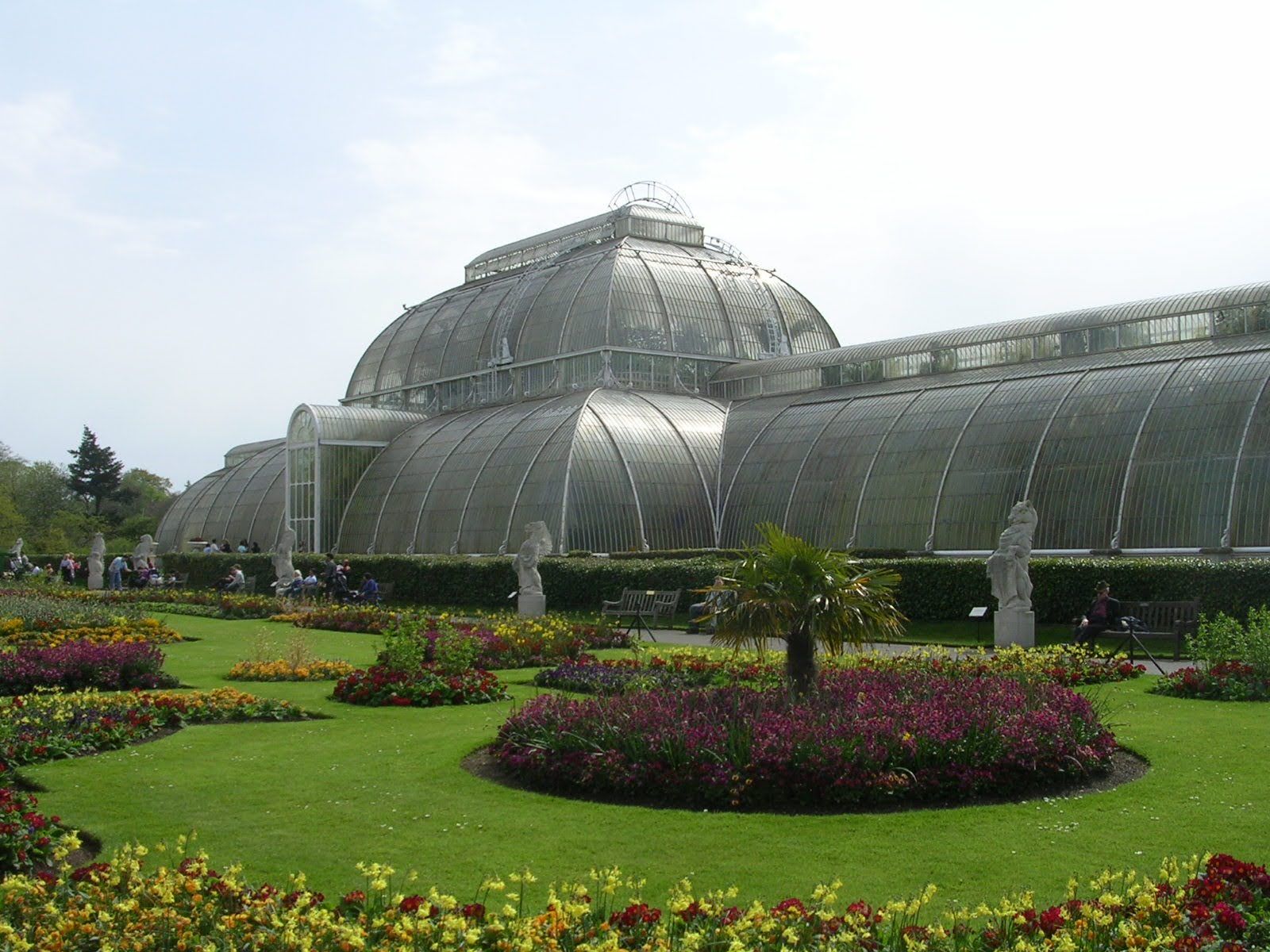
Royal Botanic Gardens, Kew (UNESCO 1084)
Cultural World Heritage in United Kingdom of Great Britain and Northern Ireland, inscribed in 2003
Set amongst a series of parks and estates along the River Thames' south-western reaches, this historic landscape garden includes work by internationally renowned landscape architects Bridgeman, Kent, Chambers, Capability Brown and Nesfield illustrating significant periods in garden design from the 18th to the 20th centuries. The gardens house extensive botanic collections (conserved plants, living plants and documents) that have been considerably enriched through the centuries. Since their creation in 1759, the gardens have made a significant and uninterrupted contribution to the study of plant diversity, plant systematics and economic botany. The landscape design of Kew Botanic Gardens, their buildings and plant collections combine to form a unique testimony to developments in garden art and botanical science that were subsequently diffused around the world.
The 18th century English landscape garden concept was adopted in Europe and Kew's influence in horticulture, plant classification and economic botany spread internationally from the time of Joseph Banks' directorship in the 1770s. As the focus of a growing level of botanic activity, the mid 19th century garden, which overlays earlier royal landscape gardens is centred on two large iron framed glasshouses - the Palm House and the Temperate House that became models for conservatories around the world. Elements of the 18th and 19th century layers including the Orangery, Queen Charlotte's Cottage; the folly temples; Rhododendron Dell, boundary ha-ha; garden vistas to William Chambers' pagoda and Syon Park House; iron framed glasshouses; ornamental lakes and ponds; herbarium and plant collections convey the history of the Gardens' development from royal retreat and pleasure garden to national botanical and horticultural garden before becoming a modern institution of conservation ecology in the 20th century.
Criterion (ii): Since the 18th century, the Botanic Gardens of Kew have been closely associated with scientific and economic exchanges established throughout the world in the field of botany, and this is reflected in the richness of its collections. The landscape features and architectural features of the gardens reflect considerable artistic influences both with regard to the European continent and to more distant regions.
Criterion (iii): Kew Gardens have largely contributed to advances in many scientific disciplines, particularly botany and ecology. The landscape gardens and the edifices created by celebrated artists such as Charles Bridgeman, William Kent, Lancelot ‘Capability’ Brown and William Chambers reflect the beginning of movements which were to have international influence.